Gastro Intestinal (GI) surgeries mean procedures on any of the digestive organ starting from esophagus, stomach, gall bladder, liver, pancreas, spleen, small intestine, colon to rectum.
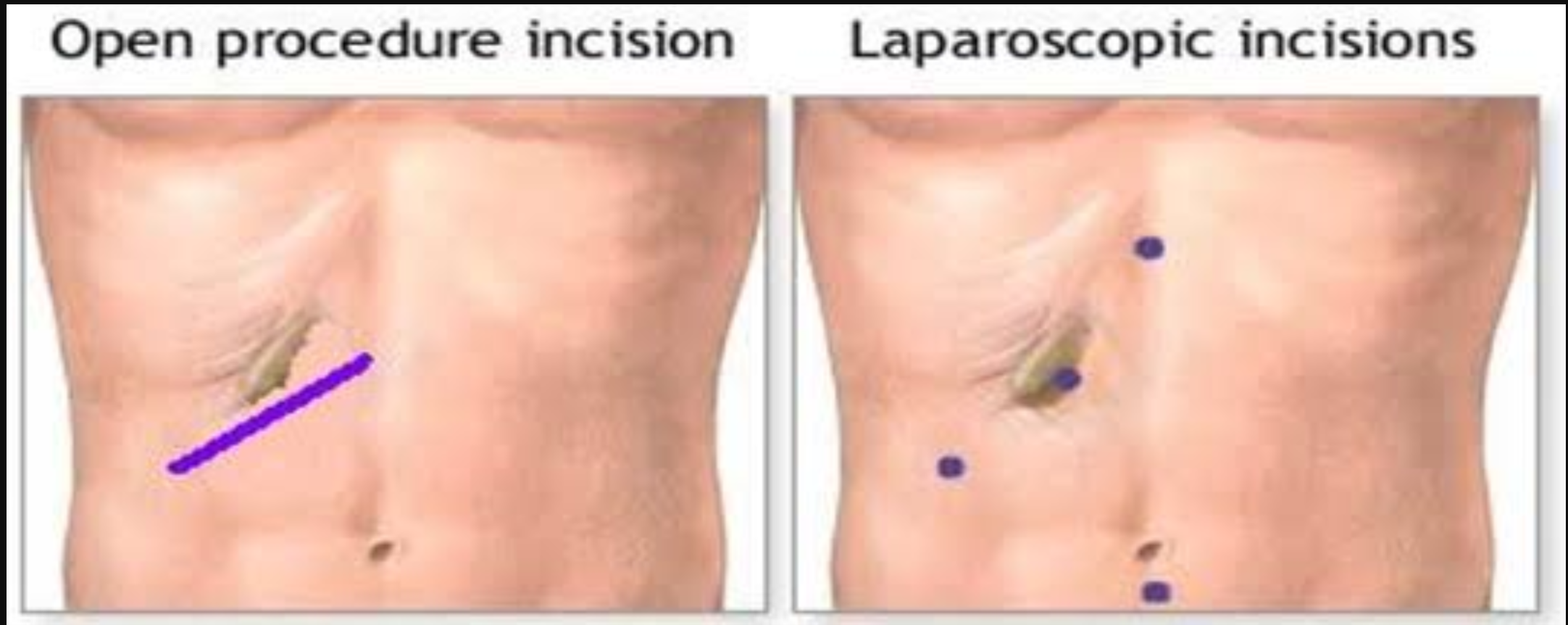
Conventionally GI surgeries were possible only with a large incision of 6 inches to 9 inches on abdomen to make space for the hands of surgeons to reach the diseased part in the abdominal cavity for removal. This approach is called open surgery approach.
Laparoscopic (Also known as Minimally Invasive or Keyhole) approach makes GI surgeries easy on patients although surgeons need very high skills for performing laparoscopic surgeries.
Laparoscopic method helps much less blood loss during surgery, minimum postoperative discomfort and pain, much less chances of infection at incision sites, reduced recovery time that allows earlier return to full activity, improved cosmetic appearance of abdomen after surgery, and decreased chances of herniation at incision sites because laparoscopic incisions are tiny.
Our team has vast experience, high skills, modern equipment and world class protocols in Laparoscopic Colorectal surgery.
Some of the common GI surgeries are explained below and all of them are performed laparoscopically at our center with high success rates and highly satisfied patients.
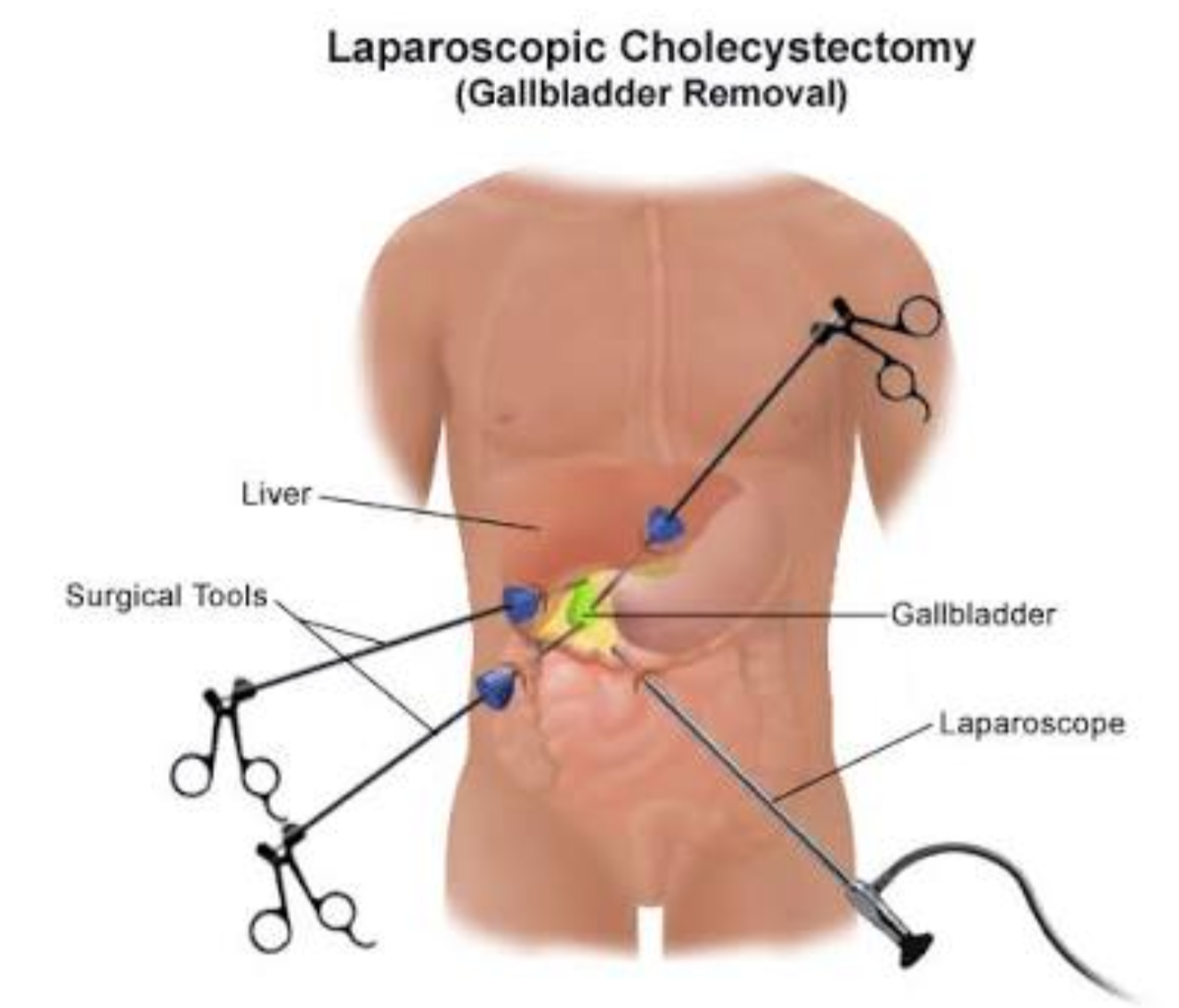
If you experience pain from gall stones that block flow of bile from gall bladder, this surgery may be necessary where gall bladder is removed. There is no health risk to you by removing a diseased gall bladder. Lap cholecystectomy is a very common surgery. When performed laparoscopically using tiny video camara and thin surgical tools sent through four miniature incisions to see inside your abdomen, you can walk home the same day or next day after the procedure with negligible inconvenience. Whereas open gall bladder surgery can be a needless and horrowing experience to patient post operatively due to large cut needed on your abdomen.
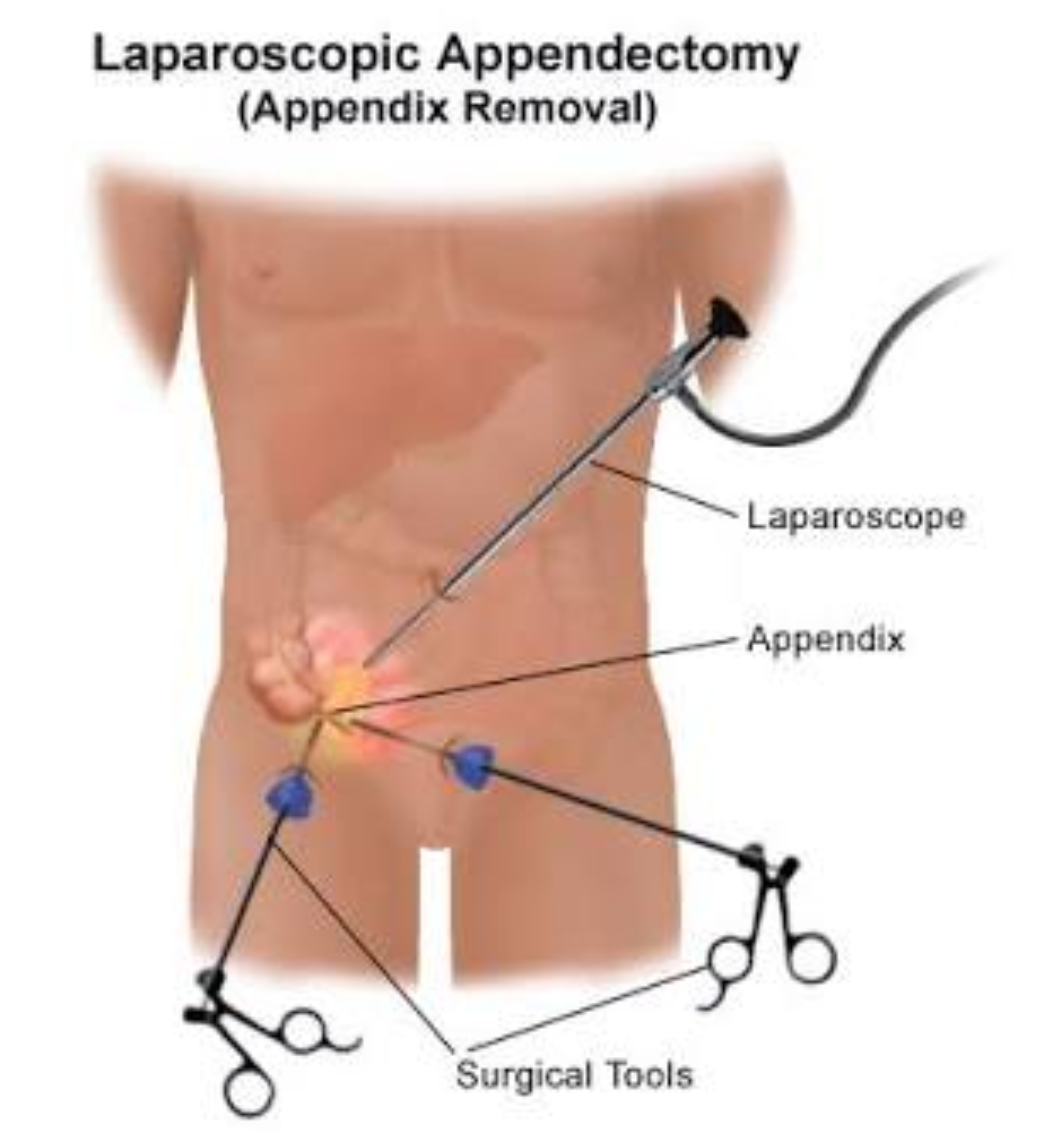
One can do without an appendix with no future health issues. When appendix is inflamed and causing pain at right bottom abdomen, the condition is called appendicitis and the surgery becomes urgent and inevitable. When performed laparoscopically, patients recover much quicker, with little or no pain post operatively at incison and the incisions are barely visible. Laparoscopic approach is also very useful when diagnosis is yet to be established. Surgeons can send the laparoscope (tiny video camara at the tip of a thin cable) through a small slit on abdomen to examine the painful area before taking a decision to conduct the surgery with out causing as much trauma to patient as a large open surgical incision would do.
In a healthy individual, food pipe or esophagus has a one-way valve at its bottom. Which means that food you eat is smoothly transported from food pipe to stomach. But when stomach contracts to digest food, the valve closes and does not allow the stomach acids and other digestive juices to flow back into food pipe that would otherwise cause burning sensation. We normally call this condition “Acidity”. Medically it is called GERD or Gastro Esophageal Reflux Disease. In most people, medications will solve this problem. If you are not responding to medicines, you may need a simple laparoscopic surgery where upper part of the stomach is wrapped and sutured around the bottom part of food pipe so that the valve functioning is improved and acid reflux is prevented. This procedure is called Funduplication and the Laparoscopic approach makes this surgery minimally invasive.
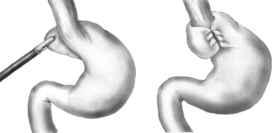
In some people, food pipe has an opposite problem, where the food and liquids do not flow into stomach easily. To resolve this the sphincter muscles forming one-way valve at the bottom of esophagus will have to be cut and relaxed a bit so that we have a nicely funtioning valve.
Until recently, this surgery was performed using an open procedure, either by opening the chest (thoracotomy) or through the abdomen (laparotomy) by large 6inch to 9inch incisions with long and painful recovery. Modern approach is to use minimally invasive laparoscopic techniques, which minimize pain, risks and speeds recovery significantly.
Colorectal surgery deals with disorders of colon, rectum and anus that can not be treated with medicines alone.
There are many conditions that may be bettered with Colorectal Surgery such as:
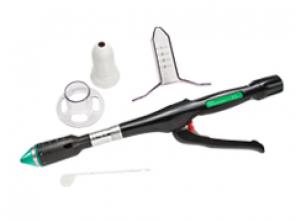
Piles is one of the most common conditions that bother people with bleeding or/ and painful anus due to swollen veins. Even today, piles is treated at most centers with open technique that has a very long and painful post operative recovery experience. Most patients share that if they knew post operative period would be so painful, they would have rather lived with swollen piles. This is totally needless journey. With the help of a surgical stapler and minimally invasive technique, this surgery can be made virtually painless and patients walking home with in a day of surgery with a smile on their face and return to normal routine shortly thereafter. We are one of the few Centers of Excellence in MIPH (Minimally Invasive Procedure for Hemmorhoids) offering this technique in Pune and Maharshtra.
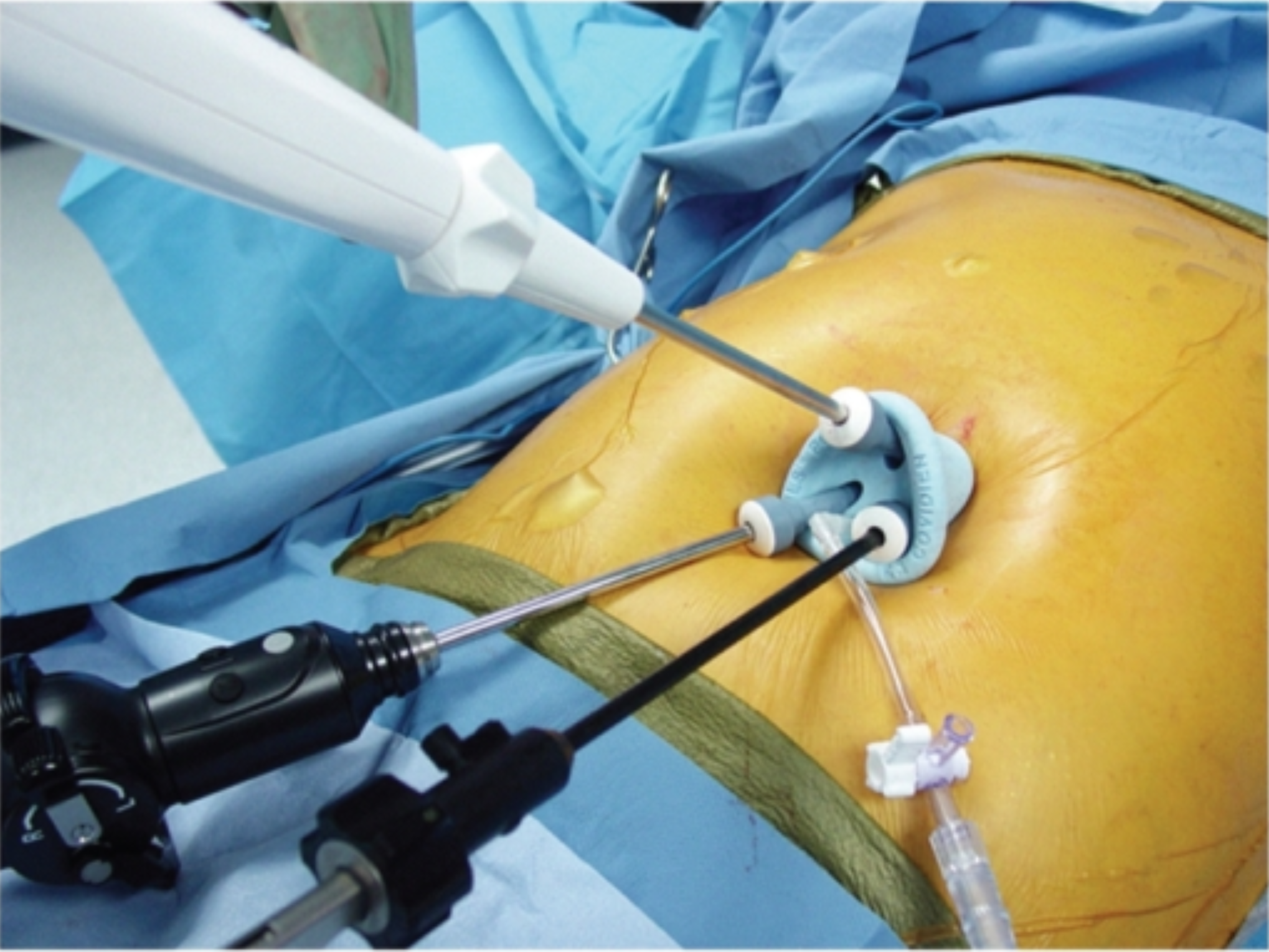
Single-incision laparoscopic surgery (SILS) is a very exciting new modality in the field of minimal access surgery which works for further reducing the scars of standard laparoscopy and towards scarless surgery. SILS is accomplished through a single 20 mm incision in the navel (umbilicus or belly button), or minimizing the scarring associated with the multiple points of entry used during traditional laparoscopic surgery or a large scar of open surgery. Our Center is equipped with special SILS instrumentation and cutting edge experience to offer many GI surgeries with SILS approach.